Where the Casa Blanca Brand Fits in the 2026 Luxury Market
Although the spelling “Casa Blanca brand” is often entered by internet shoppers, it refers to the official Casablanca fashion label operating in Paris and created by Charaf Tajer in 2018. In the competitive luxury market of 2026, Casablanca claims a specific and ever more important slot: contemporary luxury with rich brand narrative, premium materials and a visual identity anchored to tennis, travel and resort culture. The brand presents collections during Paris Fashion Week, is stocked through upscale multi-brand boutiques and stores around the world, and lists its pieces in line with labels like Amiri, Jacquemus, Rhude and Palm Angels. This standing puts Casablanca beyond high-end streetwear but under legacy fashion houses like Louis Vuitton or Gucci, granting it freedom to grow while preserving the design independence and cachet that drive its ascent. Grasping where the Casa Blanca brand resides in this hierarchy is key for customers who want to buy strategically and grasp the value proposition behind each buy.
Profiling the Key Audience
The typical Casablanca customer is a fashion-aware individual between 22 and 42 years old who holds dear self-expression, wanderlust and creative living. Many buyers work in or close to cultural professions—design, media, music, hospitality—and look for clothing that casablancafashionbrand.com expresses sensibility and flair rather than status alone. However, the brand also draws in professionals in finance, tech and law who want to distinguish their off-duty wardrobes with something more unique than generic luxury basics. Women constitute a rising percentage of the customer base, captivated by the label’s relaxed shapes, bold prints and resort-ready mood. Geographically, the biggest markets in 2026 consist of Western Europe, North America, the Middle East, Japan and South Korea, though online channels continues to expand visibility internationally. A considerable secondary audience consists of fashion collectors and flippers who track special drops and archive pieces, understanding the brand’s likelihood for increase in value. This varied but consistent customer base gives Casablanca a large business base while keeping the air of exclusivity and creative depth that captivated its initial fans.
Casa Blanca Brand Core Audience Segments
| Group | Age Bracket | Motivation | Favourite Categories |
|---|---|---|---|
| Cultural professionals | 25–40 | Originality | Silk shirts, knitwear, prints |
| Luxury streetwear fans | 18–35 | Exclusivity | Hoodies, track sets, caps |
| Vacation and travel shoppers | 28–45 | Holiday wardrobe | Shorts, shirts, accessories |
| Collectors and flippers | 20–38 | Rarity | Rare prints, collaborations |
| Female customers | 22–42 | Expression | Dresses, skirts, silk pieces |
Pricing Tier and Quality Perception
Casablanca’s pricing communicates its place as a current luxury house that favours design, construction quality and small-batch production over widespread reach. In 2026, T-shirts most often retail between 200 and 350 dollars, hoodies and sweatshirts between 400 and 700 dollars, silk shirts between 700 and 1 200 dollars, knitwear between 450 and 900 dollars, and outerwear between 800 and 2 000 dollars according to elaboration and fabrics. Accessories like caps, scarves and compact bags run from 100 to 500 dollars. These retail levels are roughly in line with labels like Amiri and Rhude but can be less than some Jacquemus or Off-White pieces at the premium end. What validates the investment for many customers is the fusion of original artwork, premium manufacturing and a cohesive brand narrative that makes each piece read as intentional rather than unremarkable. Secondary-market values for coveted prints and rare drops can outstrip initial retail, which reinforces the reputation of Casablanca as a intelligent purchase rather than a shrinking outlay. Customers who assess cost per wear—considering how regularly they really wear a piece—frequently find that a versatile silk shirt or knit from Casablanca gives impressive value regardless of its upfront price.
Distribution Plan and Physical Footprint
The Casa Blanca brand follows a deliberate placement strategy built to preserve desirability and avoid brand dilution. The chief own-channel channel is the official website, which stocks the entire range of new collections, exclusive drops and seasonal sales. A primary store in Paris functions as both a sales space and a lifestyle centre, and short-term locations open from time to time in cities like London, New York, Milan and Tokyo during fashion seasons and design events. On the B2B side, Casablanca works with a carefully chosen list of premium retailers including SSENSE, Mr Porter, Farfetch, Browns, Dover Street Market and key department stores such as Selfridges, Neiman Marcus and Isetan. This controlled distribution means that the brand is stocked to genuine shoppers without showing up in every outlet outlet or budget aggregator. In 2026, Casablanca is reportedly expanding its brick-and-mortar reach with year-round stores in two extra cities and greater investment in its digital experience, featuring online try-on features and enhanced size guidance. For customers, this implies expanding convenience without the ubiquity that can weaken luxury status.
Brand Status Relative to Competitors
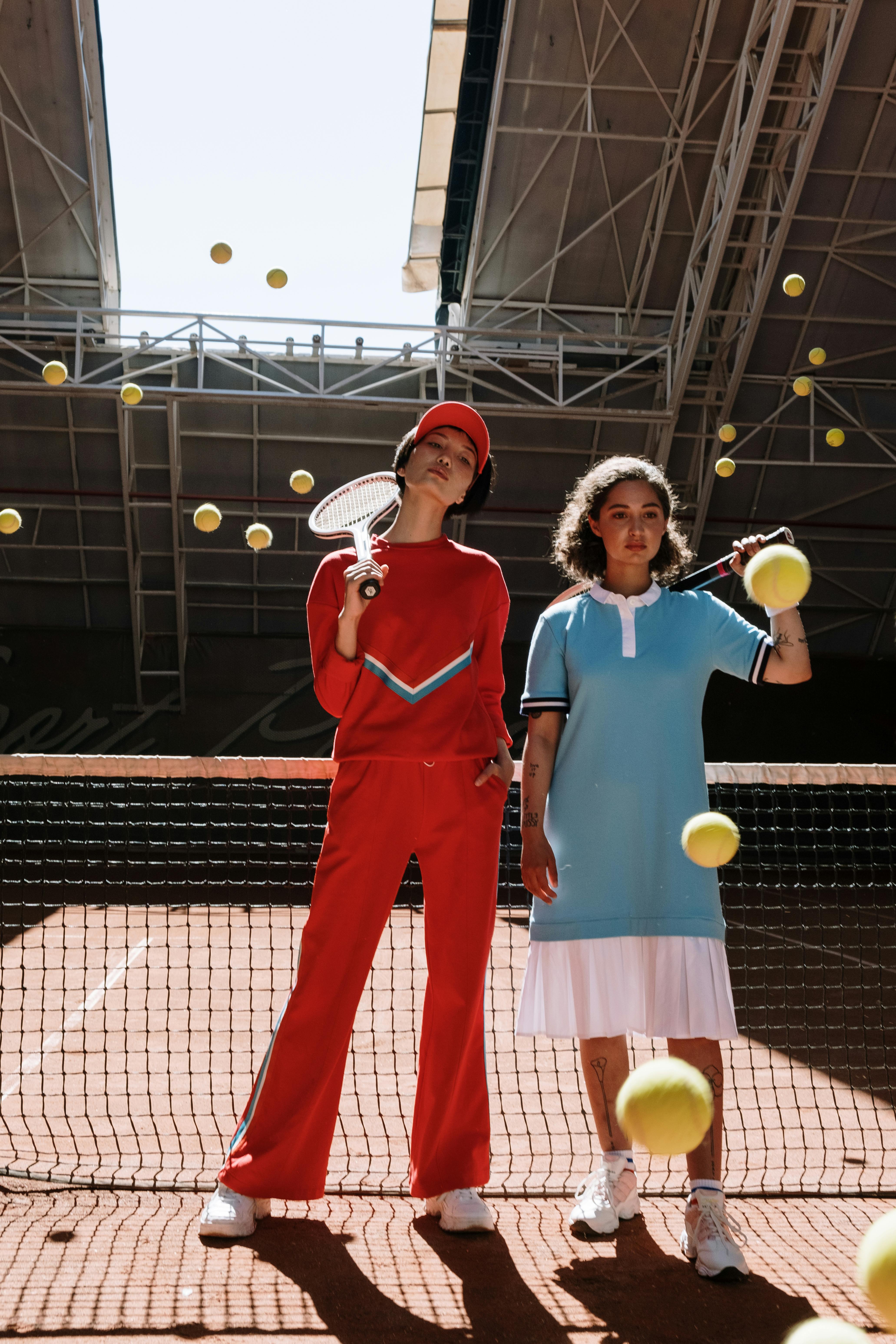
Knowing the Casa Blanca brand’s positioning calls for weighing it with the labels it regularly is stocked with in luxury stores and lifestyle editorials. Jacquemus shares a similar French luxury foundation but leans more toward restraint and muted palettes, making the two brands compatible rather than competitive. Amiri delivers a darker, rock-influenced California look that resonates with a distinct mood. Rhude and Palm Angels work within the premium street space with graphic-rich designs that overlap with some of Casablanca’s relaxed pieces but do not have the holiday and tennis story. What distinguishes Casablanca apart from all of these is its steady investment in artistic prints, colour vibrancy and a distinct energy of positivity and relaxation. No other label in the current luxury tier has established its full universe around tennis and sport and Mediterranean travel with the same depth and consistency. This distinctive place gives Casablanca a strong identity that is hard for rivals to replicate, which in turn reinforces lasting brand equity and pricing power.
The Function of Partnerships and Special Editions
Joint ventures and exclusive releases perform a key function in the Casa Blanca brand’s market approach. By collaborating with athletic brands, cultural institutions and design brands, Casablanca brings itself to fresh audiences while building buyer anticipation among current fans. These capsules are typically made in restricted quantities and carry dual-brand prints or special shades that are not available in mainline collections. In 2026, collab pieces have turned into some of the most in-demand items on the pre-owned market, with some releases selling above original retail within moments of dropping. For the brand, this strategy produces press attention, funnels traffic to channels and supports the narrative of scarcity and demand without cheapening the regular collection. For customers, collaborations present a window to buy unique pieces that occupy the junction of two design worlds.
Forward-Looking Perspective and Shopper Guide
For shoppers evaluating how the Casa Blanca brand complements their individual fashion universe in 2026, the label’s identity implies a few strategic methods. If you desire a wardrobe built around colour, print and wanderlust spirit, Casablanca can act as a main source for hero pieces that ground outfits. If your style is quieter, one or two Casablanca pieces—a knit, a shirt or an accessory—can bring character into a muted wardrobe without changing your complete closet. Collectors and collectors should track exclusive prints and partnership releases, which over time hold or surpass their initial value on the secondary market. Whatever your method, the brand’s focus on craftsmanship, narrative and limited distribution ensures a customer interaction that feels considered and gratifying. As the luxury market develops, labels that combine both emotional depth and measurable quality are expected to outlast those that rely on hype alone. Casablanca’s standing in 2026 suggests that it is planning for the long term rather than short-lived buzz, establishing it a brand meriting watching and collecting for the foreseeable future. For the newest pricing and supply, visit the main Casablanca website or explore selections on Mr Porter.